
blog
Criminal Jurisdiction
A Criminal Law Blog from a Defense Perspective

Harris County Jail: “Place of Torment and Punishment”
There are more than 3,000 county jails in the United States. They house more than 650,000 inmates on any given day. Roughly 70 percent…
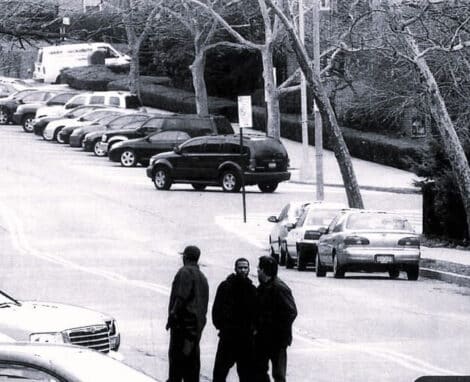
Judge Orders Release of Three of “Newburgh Four” Set Up by FBI
They became known as the “Newburgh Four”: James Cromitie, David Williams, Onta Williams, and Laquerre Payen. The FBI arrested the four men on May…

The Importance of Building a Strong Defense in Texas Arson Cases
Facing accusations of arson in Texas can be an overwhelming and distressing experience. Being accused of an arson-related offense entails possible severe consequences, including…

Forensic Expert Harry Lee Held Liable for Faulty Forensic Testimony
With so many television crime drama shows relying on forensic evidence to capture the guilty party, it is understandable why there is a broad…

Family of Man Killed in Harris County Jail Overcome Qualified Immunity
Pasadena, Texas, population 152,000, is a suburban community in Harris County that falls on the outskirts of the greater Houston metropolitan area. In the…

TX White Collar Crimes: Different Offenses and Defending Your Rights
Being accused of a white-collar crime in Texas is a serious and complex matter that can have profound ramifications for individuals personally and professionally.…

DWI vs. DUI in Texas: Differences and Legal Consequences
Getting charged with driving under the influence (DUI) or driving while intoxicated (DWI) in Texas can have serious legal ramifications. While these offenses may…

Rodney Reed Case Continues Despite Major Setback
In a January 21, 2022, post, we called upon the Texas justice system to vacate the 1998 murder conviction and death sentence of Rodney…

Conservative Political Activist Wage War Against State Bar Associations
A cursory look over the past 55 years through ten presidential administrations reveals that the political divide in this country has intensified through each…

The Crime Fraud Exception to Confidential Communications
A confidential relationship between an attorney and their client is sacrosanct. All communications, personal and professional, between the attorney and their client are confidential—a…
Take the first step toward protecting your freedom by contacting us now
Testimonials
 John T. Floyd Law Firm
Rive Oaks Tower, 3730 Kirby Dr #750, Houston
-
Best law firm that helped my case get dismissed. Original case was based on wrongful allegations, where both Mr’s Floyd and Choate handled it with full competency, assertiveness, and … More professionalism. They even offered valuable advices for next steps following dismissal. I know I have peace of mind knowing they’ve got my back!
-
By hands down ! BEST customer service ! They are very helpful and just by having the first conversation with them you can tell how much they care about their clients! They are amazing … More and ready to lend a helping hand when needed the most. They truly are an angel sent . So if you need help and are looking for AWESOME and GREAT representation DO NOT hesitate in reaching out because they will try their best in helping/achieving results! 10000000% times 10 recommend!!!!
-
Hiring John Floyd was the best decision I made during the most difficult time of my life. He kept me informed every step of the way, fought hard on my behalf, and ultimately had my … More case dismissed. I am so grateful. If you or someone you love needs a criminal defense attorney, trust me - call John Floyd.
-
The diligence brought to the table by these gentlemen is demonstrated deeply in their practice by the cohesive flow of information inside and out the court room to achieve desired outcomes. … More The awareness both gentlemen facilitated allowed proper communication and coordination in addressing obstacles as they arise
-
Although I didn't use Mr. Floyd for my brother's legal matter, I was steered in the right direction by speaking with Mrs. Kathy. She showed so much compassion as my family … More and I are going down a very tough road dealing with a different type of trouble. We sat on the phone for 20 minutes; she actually gave me a little comfort because my heart is heavy right now. I never got to meet Kathy, but thank you for your kindness, Mrs. Kathy!
-
John T. Floyd law firm is a defense team that works miracles. Mr. Floyd and his associate Mr. Choate, are super professional, and go above and beyond to achieve justice, and prove your … More innocence in the court of law. If they are away from the phone or tied up in court, they always get back to you in a timely manner. I wanted for nothing when Mr. Floyd was representing me. Anything and Everything was covered. I just want to take the time to encourage you if you are experiencing an injustice or slander of any type and need representation, Mr. Floyd and his associates will not let you down.
-
I am incredibly grateful to John T. Floyd for his outstanding legal representation he provided for my son during a very difficult time. From the beginning, Mr. Floyd demonstrated kindness, … More compassion, and empathy, not just toward my son's situation, but also toward me as a parent with many questions and concerns. His assistant, Kathy is the best! Her support during that difficult time was unmeasurable. I am so thankful for her, no other words can describe how much she helped me through.
A close friend referred me to Mr. Floyd, and I am so thankful to her for doing the homework and finding such a highly regarded professional. He was honest and straightforward, never giving false hope, but always offering thoughtful and uplifting information that helped me stay grounded and hopeful throughout the process. His reputation as one of the top lawyers in Texas was evident.
Mr. Floyd's professionalism, dedication, and warm demeanor are rare in his field and I highly recommend his services if you or a loved one find themselves in a tough sitation and need someone to hear your voice. He secured a successful outcome for my son's case and my family will always appreciate what he has done for us, not only as an exceptonal attorney, but as a genuinely caring individual. -
A friend of mine needed help finding a defense attorney for her son, and after researching several options, I recommended the John T. Floyd Law Firm. I’m so glad I did—she hired them, … More and I had the opportunity to support her son throughout the case and observe some of the court proceedings myself.
John T. Floyd is one of the best attorneys I’ve come across—impeccable and thorough in the courtroom, personable, and very communicative. He kept everyone informed, never left us in the dark, and clearly operates with integrity and passion for what he does.
Even after a not guilty verdict, he followed up to offer additional support and guidance---that kind of dedication is rare. If you’re looking for a defense attorney who is professional, compassionate, and genuinely invested in their clients, I wholeheartedly recommend the John T. Floyd Law Firm. -
If you have hired attorneys that meet the Webster dictionary definition, ie: "Attorney " is a person that has a law degree, will not be totally honest, can take your money … More and not earn it, will put you off until he is ready to talk to you, and/or never study your case to be able to defend you. Mr. Floyd is the only attorney that doesn't fit that definition!! You will be delighted to have Mr. John Floyd in your corner! Not one attorney that I have ever met that would ever return a check that I sent to him, because he said I paid him too much! Wow! That right there should tell you something about his integrity!!!!! He has a very calm demeanor and doesn't stretch the truth even if you don't want to hear it, he will tell you the truth. Call and set up an appointment with him and judge for yourself. You are wasting time and money on any other attorney, just hire the best, Mr. Floyd.
-
John T. Floyd and his team are some of the best people! I was able to get a second opinion from them on legal advice. His team has been honest, kind, and very informative which has … More been a huge blesssing.
-
I can honestly say from what I have seen so far, Floyd is a compassionate soul who cares for his client's. Floyd is by far very knowledgeable in this area. He's currently … More assisting my [Father] on a sex assault. We are all suffering so much as my father is an elder man, but we have faith in God, and Mr. Floyd he can dismissed this outrageous allegation soon. Thank you, yoli
-
The best lawyer I ever encounter with a very good personality. He’s very professional and he will go far and beyond for his clients best interest. He’s definitely a 5 star attorney … More when it comes to delivering. I couldn’t be more happier that I hired him !! 👏👏👏👏
-
John is an amazing person and lawyer who is actually very understanding of how anxious I got and although it was hard to reach him sometimes because of his schedule, but never worry … More he is on top of things. He is very organized, very smart. I had the experience to go through a trial with him, and he always plans ahead well and is actually open and receptive to any ideas and comments I had and he was quick to decide which is right to use at the moment. I really appreciated working with him and Chris. Great lawyers and great people. As I was reminded by John, I am adding that the Jury reached a not guilty decision on the original charge and on a lesser charge in just 25 minutes. It took more time to write the charge and instructions for the jury than it took them to reach a decision.
-
John and his team are super professional and so dedicated to you. I would highly recommend the John T. Floyd law firm to anyone that needs legal assistance!
-
Although the team was not able to assist me at this time, I was given some good information.
-
I had a great experience with this Law Firm, the kind staff helped me locate a Lawyer even though they were unable to take my case.
They were very helpful, kind and returned my call … More in a timely manner. I would definitely recommend them and use them in the future. -
I highly recommend John T. Floyd Lawfirm. They are truly knowledgeable and willing to go the extra mile to defend your innocence. Psalms 35
-
Highly recommend John T Floyd law firm, great response time and demeanor.
I was researching an on-going criminal case, when I found an informative article written by John Floyd (about … More the perils of expert testimony). I called his office, and was very pleased to receive a timely call back. Not only was Mr. Floyd candid and helpful, but he had the kindest demeanor of any attorney that I've dealt with. I am so glad to have found this firm. -
I had wonderful experience with this law firm. They were so helpful and knowledgeable of the process.my case was dismissed because of Mr John T Floyd,thank you for everything .
-
Mr. Floyd is an incredible attorney and human being. He cares about your case, the facts, the law, and your life! I am sorry for whatever situation you are going through, but choosing … More Mr. Floyd, his firm, and their professional experience to help you, will be the best decision you ever make!
-
John T Floyd is a straight shooter! He was very direct and responsive to my phone calls and questions. I was in awe of his knowledge, and professional decorum! The best decision that … More you could make is to schedule a consultation with him before considering anyone else!
-
I can tell that Jone is an excellent attorney in Houston. Personally, he is a great man. In addition to great service and amazing results. Recommended
-
I asked the Law Office of John T. Floyd a very important question regarding the legal aspects of purchasing a firearm with a deferred adjudication charge. They answered the question … More very professionally and accurately and I was quite pleased with the information that was shared. I recommend this law firm because they are very honest and will work for you and with you.
-
Although I am not a client, John Floyd contacted me the same day I sent an email requesting advice, answered my questions and even when further to assist with my issue and communicated … More with me the next day. A true credit to his profession and I can only imagine how well he provides services to his actual clients!
-
I give Mr. Floyd 10 Stars if they were available so I'm giving him five that's all that's available. The first time I left a message for him it was on a Friday after … More 5 p.m. and within 15 minutes he called me back I told him I needed to buy a lotto ticket because that has never happened. I knew from our chat and him calling me back that he was different from any attorney I've tried to talk to left messages never got called back they didn't even know what I needed and neither did Mr. Floyd but he did call me back. I was very interested in meeting with mr. Floyd about my case because I felt he was very transparent honest and genuine. If you've ever dealt with attorneys they don't have those traits but Mr. Floyd does. He was very honest with me told me what I could and could not do with my case. He is not egotistical he's very compassionate and he actually reads the documents you sent him unbelievable that's never happened. He will be the only lawyer I refer to anyone that needs his expertise. If you're in need of a criminal defense attorney please give John T Floyd a call you will not be disappointed.
-
Mr John is a great human being and a very knowledgeable attorney. He has always called me back promptly,advised me very clearly and never rushed our conversation. i was wrongfully accused … More and Mr John had my case DISMISSED!! on the day of trial after fighting for me for two years. I am very thankful to the John T. Floyd Law Firm. You will not go wrong with John. Mr John you deserve way more then 5 stars.Thank youShaikh.
-
Outstanding!Professional knowledge. Rich experiences. Good outcome.
-
I’ve never been one to write reviews but this time I couldn’t pass up the opportunity to say something. I had some serious legal questions I needed answers to concerning Texas laws. … More Being I’m from another state, I found and reached out to Attorney John Floyd for the answers. Mr Floyd listened to to my requests and told me what he need from me and went out of his way to get me the answers. Very polite, straightforward and professional, I can’t thank him enough for all he’s done. Whatever your legal case may be, I wouldn’t hesitate to recommend Mr Floyd.
-
Had the pleasure speaking with John Floyd on a personal matter, he was very responsive, nothing but exceptional, and he really cares about you with sincerity and most importantly knows … More what is he talking about! No games or bs, his approach to my situation even though I knew it was probably way smaller then what he normally takes on, he was extremely helpful and didn't care about the size of the matter like other attorneys do. He really looked out for my best interests. You can tell he has decades of experience doing what he does just by chatting with him. I would highly recommend him.
-
John Floyd Law Firm is highly recommended for your legal needs. He and his staff are highly professional in every aspect. Easy and comfortable feeling talking with him, and he understands … More your needs and explains your legal advice in a way you can understand. Enough just cant be said. Thank You Sir.Positive
Responsiveness, Quality, Professionalism, Value …More -
I am very happy today my case dismissed God bless Mr John T Floyd very good lawyer thanks you so mush sir
-
John was kind enough to assist me with legal advise on my firearm gun rights restoration. I highly recommend him and his firm. Very professional and knowledgeable. If I need assistance … More in the future I will definitely go back to him.
-
Words can’t describe how grateful I am for working with John, he went above and beyond my expectation. I was wrongly accused and hired many lawyers before hiring John Floyd but they … More all disappointed me, I had lost hope until a friend of mine referred me to John. From the start he had my best interest in mind and gave helpful advice, he explained the process and guided me. He put more work and time than all my previous lawyers that cost me thousands of dollars. He was constantly communicating with court and defended me more than all lawyer i had hired before him. Don’t waste your time and money like I did, believe me when I say I hired countless lawyers before him and no one came close to John. I’m forever thankful for him for fighting for my innocence and getting my case dismissed. Thank you so much🙏🏼🙏🏼
-
It was a pleasure speaking with John. He is knowledgeable and has a true desire to help the people of society. I turned to him for some guidance of a long-standing issue. He never … More rushed our conversation and went out of his way to look into the details to provide the right answer as well as assist me anyway he could. Thank you for our conversations and I wish your and your firm the best. If you need a lawyer, John Floyd is your guy!
-
What I liked the most was that he actually returned my phone after leaving a message unlike pretty much everyone else I called prior. He listened and answered my question with the best … More advice that would benefit me the most. I was actually lost from moving to Texas from a different state we’re laws vary and he pointed me toward the right direction to get a understanding of if I need to do business with him now or after I contact a lawyer in my home state.
-
John represented me in court for roughly 2 years. I won't (and shouldn't) get into any serious details, but let me tell you that I couldn't have chosen anyone better. … More Seriously.Every appearance in court I felt very comfortable. The judge and DA's had a high regard for his reputation. There is a time I recall where simply his presence greatly impacted the court's interpretation of my case and persons. We were in front of the stand and the judge could not stop talking about John's prestige and past accomplishments and how that took in relation to my case. I kept silent in front of the judge, but I observed then that John's popularity and reputation within the court had already given me a better looking rapport with the judge. Let me tell you, I never had more confidence then, knowing that the judge held him in such high regard.This is not to mention how personable John is. I'll be honest that during the stress of court, sharing a laugh with your lawyer helps a lot. This may sound a lot, but I really appreciated the relationship we had then. This is also not to mention that he was able to deal very well with any DA that rotated over the years. Seriously, John was great, prompt with information and very hands on with my case. I had great peace those 2 years until everything wrapped up.If you're looking for a lawyer, I highly, HIGHLY recommend the John T. Floyd Law Firm. He IS nationally renowned, you know. He'll get the job done to the utmost confidence. He's very experienced and has a great record to boot. I am glad to have had him represent me in court and trust me that I never thought I'd ever say that (and whoever does?). We explored every avenue of victory together and I personally enjoyed the experience, despite the seriousness of the accusation.If you have a case that needs to be represented at the highest levels, choose John T. Floyd. He's a good man and very good at what he does. Him and his team has the experience you need to make the best decisions and options to get the best outcome for your case. We got the best result I could possibly ask for, thank God.Seriously. Hire John. He knows what he's doing.Seriously.
-
I called Mr Floyd and left a message, with in the hour I received a call back with much more information then I could have ever expected. Mr Floyd was very informative on every question … More I had for him. He seemed like he cared, instead of like most attorneys that you talk to that are just out for a quick buck. If you want someone that is going to shoot strait with you, and has your best interest in hand, this is you guy. This was the best experience that I have ever had with an lawyer.
-
John T Floyd handled my sons case & got a dismissal for us! He is great to work with, gets back to you promptly & knows what he’s doing. Definitely one of the best we have had … More to deal with!Positive
Responsiveness, Quality, Professionalism, Value …More -
Mr. John T. Floyd represented me.I couldn't be happier with the outcome he managed to achieve on an VERY Important case that was dismissed the day of Trial. He is patient & … More very knowledgeable of the legal system. I HIGHLY recommend him to anyone in need of a lawyer!John, I am forever grateful & satisfied with the effort you put forth & all you did for me. Thank you isn't enough!God bless you & your family!
-
One of the few honest lawyers I have ever talked to. His complimentary consultation was knowledgeable and thorough. He knew exactly what the issue was and how to handle it. His candid … More appraisal of the situation and how to proceed saved me thousands of dollars in legal fees. If you have a case requiring expertise in John's area of practice, look no further. Hire this man!
-
John & Chris helped my family member get a reduced charge and acceptable plea agreement in place. Their compassion, attention to every detail was what helped carry the day.Truly … More the best of the best.P
-
I can state with confidence that Mr. Floyd and his team are the most competent and professional lawyers one can hope for. My case was quite complex and I admit that as a law student … More I was not the most patient client. Mr. Floyd did a phenomenal job of managing the bench, prosecution and myself! The result was above expectation, and I will never hesitate to recommend this firm regardless of the caliber of the case at issue.
-
I want to thank John T. Floyd and all of his team. He is the best lawyer who cares aboutHis clients and fights really hard to get the best outcome. He is a fighter and he is awesome!!!I … More recommend if any one needs criminal defense , he is the BEST. We had a really serious caseAnd we are very thankful for the outcome. Thank you John!!!!! God bless you!!!!!!
-
The John T. Floyd Law Firm assisted me, and I can tell you that the attorney took the time to answer my questions, and I didn't feel rushed or dismissed as I have experienced in … More the past with attorneys. The attorney was very nice and extremely knowledgeable. Initial impressions and continued excellent customer service are big factors for me and as such I would highly recommend this firm.
-
It was a pleasure working with Mr. Floyd. I contacted him regarding a legal matter and he was extremely knowledgeable about the law, and responded in a timely manner. I appreciated … More the fact I did not feel rushed, and he made sure he thoroughly answered all questions I had. I would highly recommend him!Positive
Responsiveness, Professionalism …More -
John is honestly the best! The whole team is. He answered me in a timely manner and helped me when my friend was going through a situation in Houston, Texas as an inmate. He was so … More thorough, honest, and without charging me sent me so much information because I was out of the loop. He never once tried to take you for your money, he did all that he could to. help me and I can't thank him enough.
-
I have used John on two occasions and found him to have full knowledge of Texas law, diligent, creative in plan, and aggressive in defense. He is the best criminal defense attorney … More in the State of Texas. No reason to look elsewhere.
-
Mr. Floyd is both ethical and loyal to his clients; two qualities that are hard to find specially in lawyers. I'd definitely recommend him to anyone.Positive
Professionalism …More … More -
Spoke with John Floyd about a 45 year old criminal case I was involved in. I had very little information about the case and John helped me search what records were available and gave … More me guidance to find more information. He was very professional and took his time helping me. I may need to hire a lawyer on this case and Mr. Floyd will be the man.Thanks John.
-
The attorneys at John T. Floyd Law Firm work diligently to achieve the best possible results for their clients. They are caring and knowledgeable professionals. Their expertise in the … More law and their experience as trial attorneys makes them the right choice as a defense attorney. I recommend this law firm highly.
-
I had the opportunity to read an article that Mr. Floyd wrote and it was very interesting. I called him about the article and advice concerning a similar situation. He not only gave … More me excellent advice, he pointed out not just what I wanted to hear but what I needed to hear concerning my situation. The Good, The Bad and The ugly in a manner or speaking. He spoke with an open and honest heart with information to help me and not just to get a client.
-
I have been calling to get some legal advice pertaining to gun rights. A few legal offices would not even take my call because quote " your not a client and Im losing money. … More I I called John T. Floyd Law Firm and they were not only able to answer my question, but gave great detail information, and further elaborated on their answer. I hope I do not have to use them in the future, but if I do need to, they will be my first call.
-
Mr. John was very helpful and truly was the reason why my case was dismissed. Thank you so much Mr. John I truly recommend everyone in need to work with him.
-
Great lawyer! Needed some advice and gave me a Consultation, and advice for steps to take, without any hassle l, Was a honest guy and actually wanted to help me and not just take my … More money! Highly recommend!!Positive
Responsiveness, Quality, Professionalism, Value …More -
Very professional and straight forward. He's not going to waste your time or money. Very knowledgeable in a large range of possible matters one could face living in these days … More and times. If ever you need legal assistance, this is who I would suggest. Awesome!Positive
Responsiveness, Quality, Professionalism, Value …More -
From beginning to end this firm handled my case like the top tier professionals they are. I would not trust ANYONE else with my legal needs after having less than stellar experiences … More with other teams. Thank you Floyd!!!
-
Attorney Floyd replied very timely to my inquiry and he provided practical advice. I will not hesitate to contact him in the future if I need additional legal counsel.
-
If you are in trouble and need a lawyer, contact the John T. Floyd law firm. Some of the best lawyers in Texas work there! Understanding and helpful lawyers and staff that will do all … More they can to help you 😊
-
His service to the community and diligence to helping his clients speaks for its self! Not to mention the many articles, papers and TV appearances that speak to his intellect
-
I thank you for your efforts to help Felons regain their Civil rights, and for the information on possession , I am A convicted Felon, no violent history. I am an expert shot, I am … More 76 yoa, and very concerned about the present lake of Security in our State and Country. God Bless and Prosper you in your efforts, Your friend, Sonny Bivens
-
He gave me one of the most honest answers I have received in a very long time about any issue I was having with anything. Legal or not legal. I highly recommend giving him a call and … More will be referring him to friends and family if they have any issues in the future.Positive
Responsiveness, Professionalism …More -
Highly recommend, down to earth lawyer. Talked to me about my legal issues without being super money hungry and genuinely wanted to help me with my legal problems. 5 stars ⭐️.
-
John has given Excellent service and have been very friendly and extremely helpful to us. I highly recommend this law firm
-
I called about some legal questions I needed to get clarified and John was able to give me clarification and sound advice. I will definitely contact John for all future legal questions … More and issues.Thank you John!Positive
Responsiveness, Professionalism, Value …More -
He took time out of his day to answer my legal questions and didn’t even charge me. I would definitely recommend him to you.
-
I really appreciated both Chris and John helping with my legal questions and concerns. Both are good guys and I would not hesitate to recommend them.
-
This law firm is diligent, responsive and succeeded in getting my case dismissed. 10/10 would recommend.
-
Gave free consultation on getting gun rights back. He truly cares about gun rights and getting you the help you deserve. 100% worth a callPositive
Responsiveness, Quality, Professionalism, … More Value …More -
Knows his stuff and well respected with DA and judges. I have referred him a couple times and every client has been satisfied
-
John is beyond knowledgeable! If I decide to pursue my case any further I would only have him represent me.
-
Very professional, great quality work, and very friendly and helpful. Overall, their service is phenomenal. I recommend Mr. Floyd to anyone.
-
Mr. Floyd took the time to explain his experience with the law to me in layman's terms. Definitely give him a call.Positive
Responsiveness, Professionalism …More -
Very knowledgeable and professional. I called and left a message Friday morning and before end of business that day I received a call back.Positive
Responsiveness, Quality, Professionalism … More …More -
Very helpful highly recommended for any Question / case will definitely keep he's name and number for any other legal advice
-
What a great attorney, this guy really took time out of his day to answer my questions and explain my case to me. Very grateful, thank you so muchPositive
Professionalism …More -
He was honest , knowledgeable , and professional about what we talked about. Most lawyers are just about the money , but not john.Positive
Professionalism …More -
He was very truthful and honest with us very great man I would recommend him and we would use him again
-
Excellent service and a lawyer that doesn't lie. He does what he says. JW recommends him.
-
I really felt like the team cared about my case and am super satisfied with the outcome. Would not recommend anyone else!
-
Very professional honest and works hard currently working my husband’s appeal I pray he does his best workPositive
Responsiveness, Quality, Professionalism, Value …More -
I contacted John T. Floyd Law firm and I was very satisfied with service extremely helpful and friendly thank you Mr. FloydPositive
Responsiveness, Quality, Professionalism, Value …More … More -
super knowledgeable, good attitude, would definitely recommend him
-
This law frim was informative,great response time ,and the attorney called back not some secretary or legal assistant thank u guys for all your help wish it was more like youPositive … More
Responsiveness, Quality, Professionalism, Value …More -
Absolutely a very professional lawyer. Very well read in the current law and more than willing to help if needed.
-
I would highly recommend Mr Floyd. He was very helpful and knowledge with a legal question I had.Positive
Professionalism …More -
These guys do amazing work and have phenomenal service! Hands down best in the Houston area!!
-
One of the best services Ive used in awhile. Thank you for all the help and answers. You got my life back. Thank youPositive
Quality …More -
Im impressed. This guy was polite and professional and most important...he listened.
-
Mr. John he’s a professional he knows what he’s doing and he’s patient they recommend Him stronglyPositive
Professionalism …More -
Great service, very knowledgable and happy to help with any questions I had
-
John and Chris are true professionals! Love those guys like family!
-
Mr. Floyd and his team are very knowledgeable, informative, and helpful.
-
He explained my case better then any other lawyerPositive
Responsiveness, Quality, Professionalism, Value …More -
Very helpful, knowledgeable and honest.
-
Quick to action and helpful and knowledgeable with entertainment industry based issues!
-
Responded on a holiday week. Very knowledgeable and reassuring.
-
A team you can depend on to stand up and fight for you to prove the truth the whole truth!
-
Good experience and very good lawyer
-
Extremely helpful!!! Helping me understand the law.
-
Very informative
-
Very professional
-
-
-
-
-
Positive
Responsiveness, Quality, Professionalism, ValueMore -
-
-
-
-
-
-


John T. Floyd is Board Certified in Criminal Law By the Texas Board of Legal Specialization















Request A Confidential Consultation
Fields marked with an * are required
"*" indicates required fields


Copyright © 2026 John T. Floyd Law Firm • All rights reserved.
Designed & Developed by
